
Our annual Halloween Science Spook-tacular is this week! Join us for a hair-raisingly hands-on hour of eerie experiments, terrifying tricks and tasty treats by booking your spot here.
BENEATH
THE WAVES
In the shadowy depths of the twilight zone, photosynthesis can not occur. So there are no producers around which habitats can form. Yet the twilight zone is home to more marine biomass than any other zone, even if they live here to keep away from the predators that hunt in the light. This week, we explore the many ways marine life has adapted to withstand the depths and move between them. After getting a feel for the cartilage of sharks and the muscle of jet-propelled cephalopods, we will make water slime that feels an awful lot like a jellyfish. Then, after making fog rings that resemble the vortices jellyfish ride, we will use light to lure brine shrimp from the dark corners of our aquariums.
ACROSS
THE GALAXY
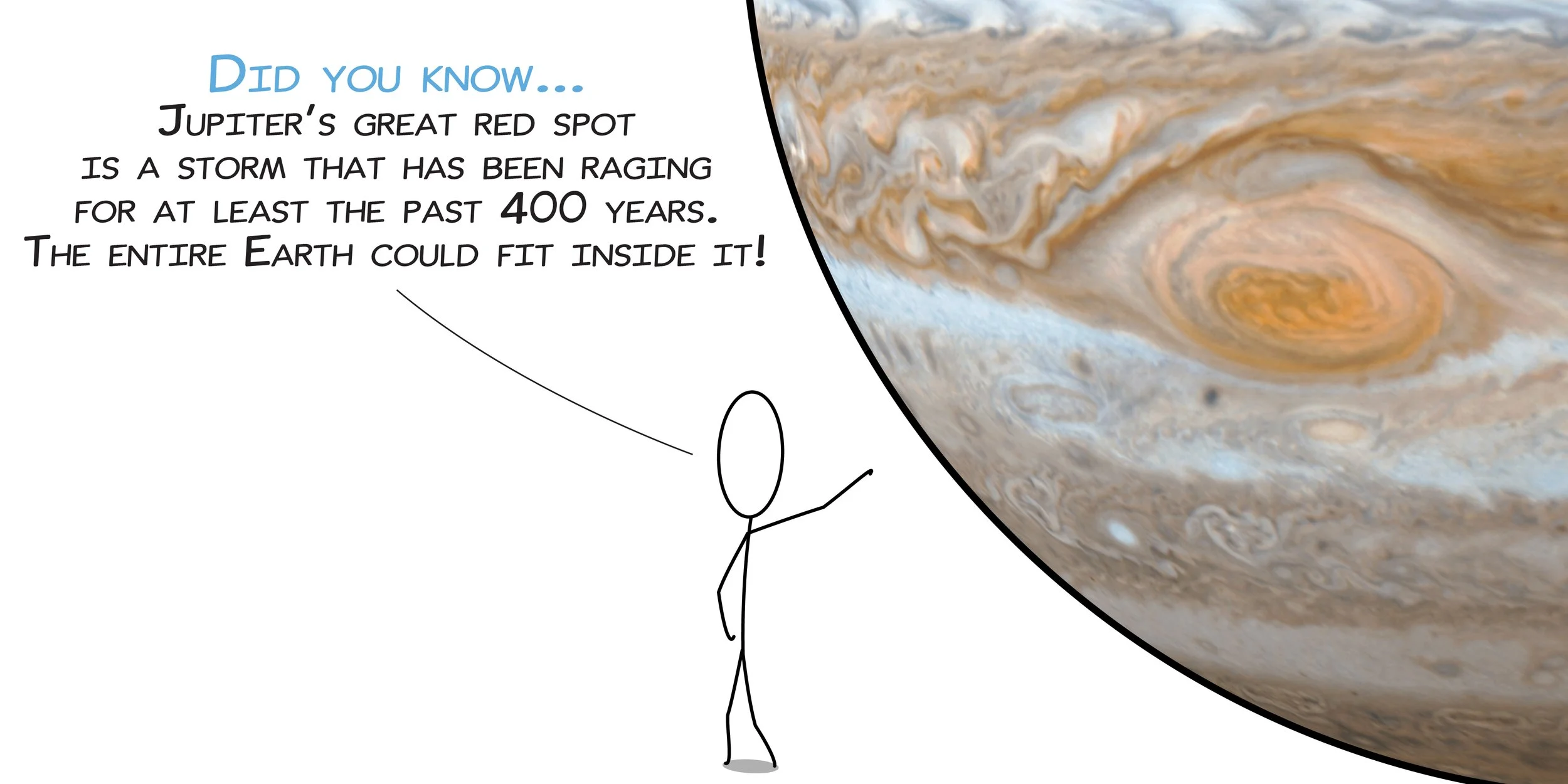
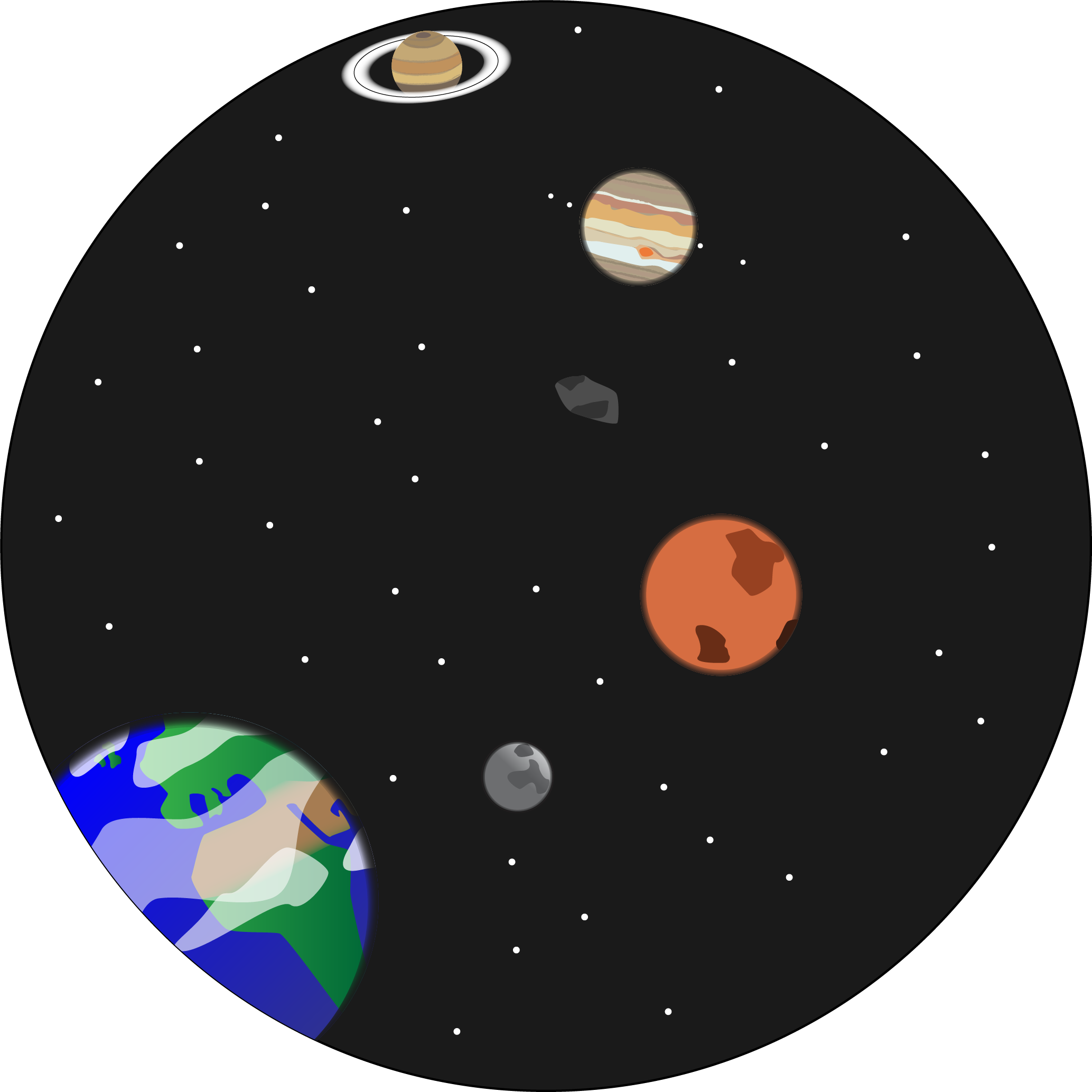
We leave the inner rocky planets and venture way out to the outer gas giants. While we still don’t know whether any of them have a ground for us to walk on, their “fuzzy” hydrogen cores and the densities of their various layers mean we are unlikely to fall right the way through to the other side. And as with any mass of swirling fluid, these worlds can be stormy places to call home, none more so than Jupiter, the biggest giant of them all. This week, we will take a closer look at Jupiter’s flow, recreating its beautiful bands with the orderly, laminar flow from burst balloons and dyed corn syrup before bottling up the turbulence of its storms with the help of some mica powder.
PERIODIC
PIONEERS
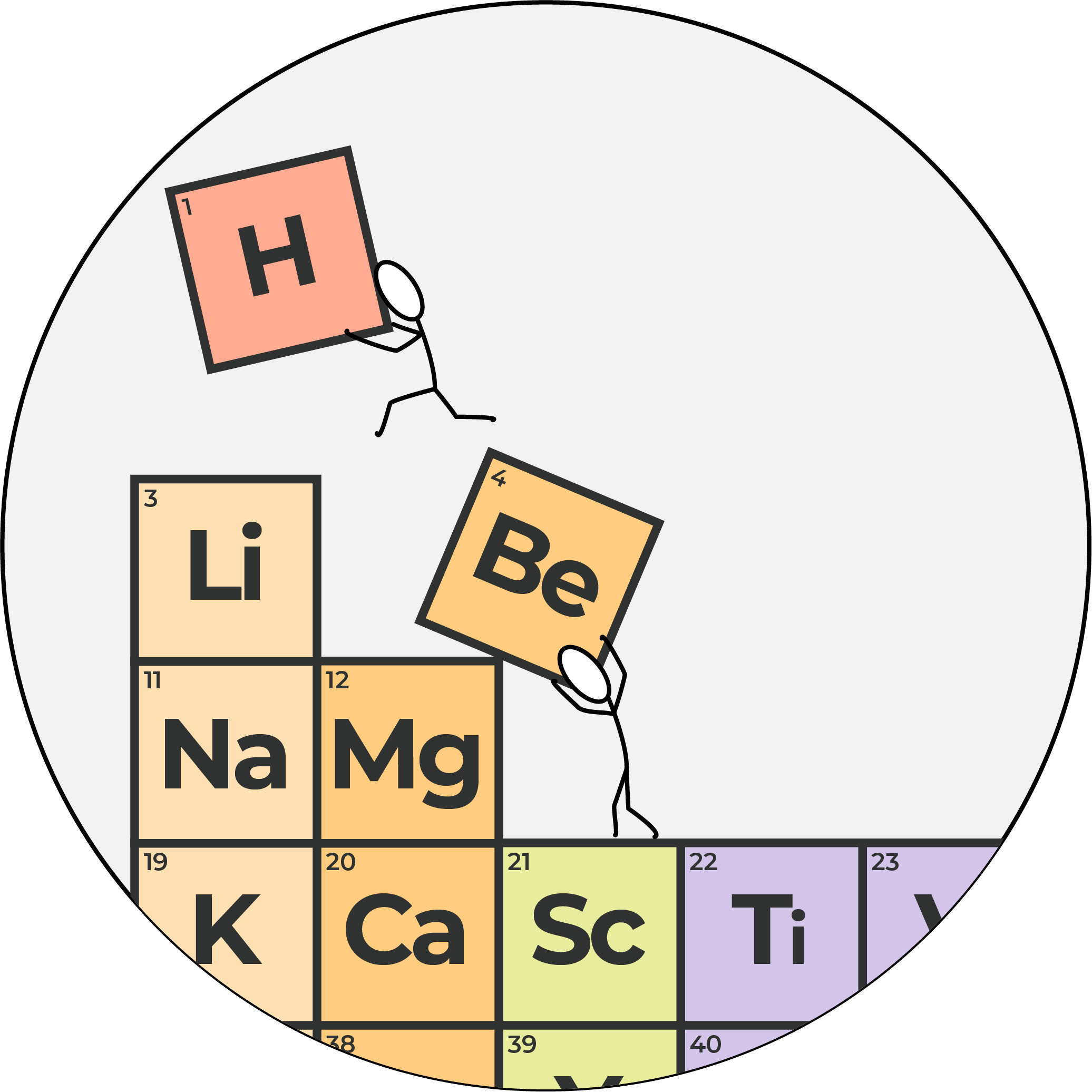
It’s on to another vital element for life! Without nitrogen, proteins, the building blocks of life, couldn't form. Despite it making up most of our atmosphere, bioavailable forms of nitrogen were scarce, making it more valuable than gold at times. Just as chemistry eventually found a way to split the strongly bonded N2 molecule and make fertilisers that fed the world, we'll super-cool that gas to -196 degrees Celsius! With liquid nitrogen in (well-protected) hands, we will freeze roses and smash them to smithereens, cook up dragon-breath popcorn & unleash a massive explosion of fog!