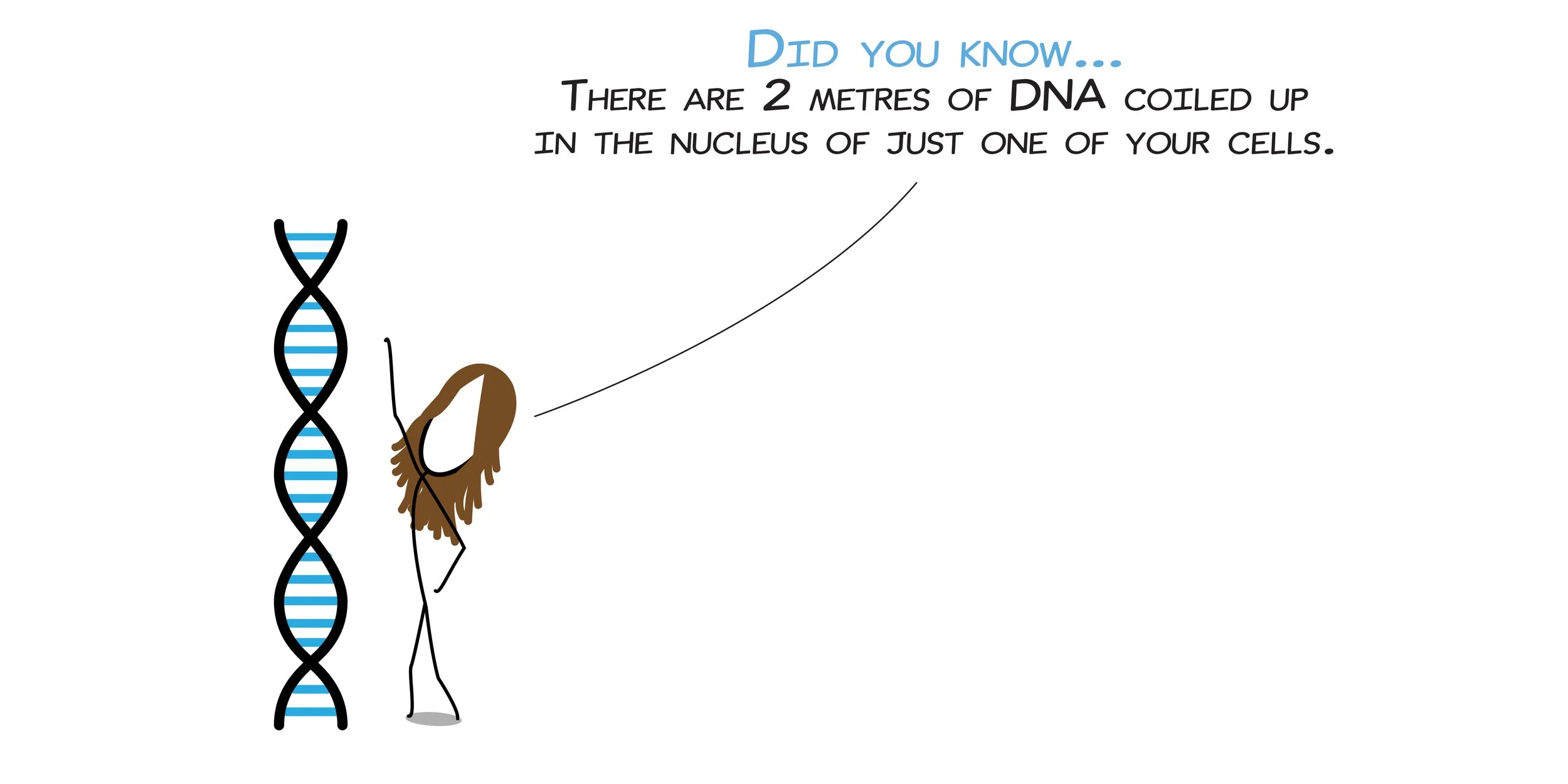

Welcome to the second half of the term! We hope you all had a great break and are ready for more science and wonder.
We are also super excited for our annual Halloween Science Spook-tacular! Join us for a hair-raisingly hands-on hour of eerie experiments, terrifying tricks and tasty treats by booking your spot here.
BENEATH
THE WAVES
Since sunlight forms the basis of just about every food chain, both in and out of the water, we divide the ocean’s depths by how dark it is. The deeper you go, the darker it gets; the first 200 metres is the only place bright enough for the magic of photosynthesis to occur. As we discover how seaweed, plankton and algae convert sunlight into sugar, making the shallow sunlit zone teem with life, we will see photosynthesis in action using pondweed and floating spinach disks. Then, we will use chromatography (and a handful of Skittles!) to reveal that photosynthesis comes in more colours than green.
ACROSS
THE GALAXY
Now that Mars is well and truly covered, it’s time to head towards the Sun and visit the two planets nearest to it. Since Mercury is by far the closest, you’d want to think it would be the hottest, but Venus’ thick atmosphere has a sweltering trick up its sleeve. After using giant Slinkies, rainbow glasses and infrared cameras to explore light, heat and the electromagnetic spectrum, we will discover how a runaway greenhouse effect makes the more distant Venus a little bit hotter than Mercury. And just to give our galactic explorers an idea of their incredible heat, we will use Mercurial and Venusian temperatures to make molten tin!
PERIODIC
PIONEERS
We should be grateful for carbon’s ubiquity since this element forms the backbone of life! Carbon’s ability to bond with up to four other atoms lets it string together complex molecules, such as DNA and proteins, perfect for something as complex as life. Even sugars - the chemical batteries for life - wouldn’t be possible without their carbon chains. We will watch carbon rise like a charmed serpent from a burning pile of sugar, then use glucose to create a chemical traffic light that changes colour with just a shake.