
Thank you for the great response to our first newsletter of the term!
Going forward, we will be posting these at the start of each week. This will give you a sneak preview of what your kids will be learning in the days to come and provide you with time to prepare for an enthusiastic science chat with them on the drive home.
So here's what we have in store for your future scientists this week...
BENEATH
THE WAVES
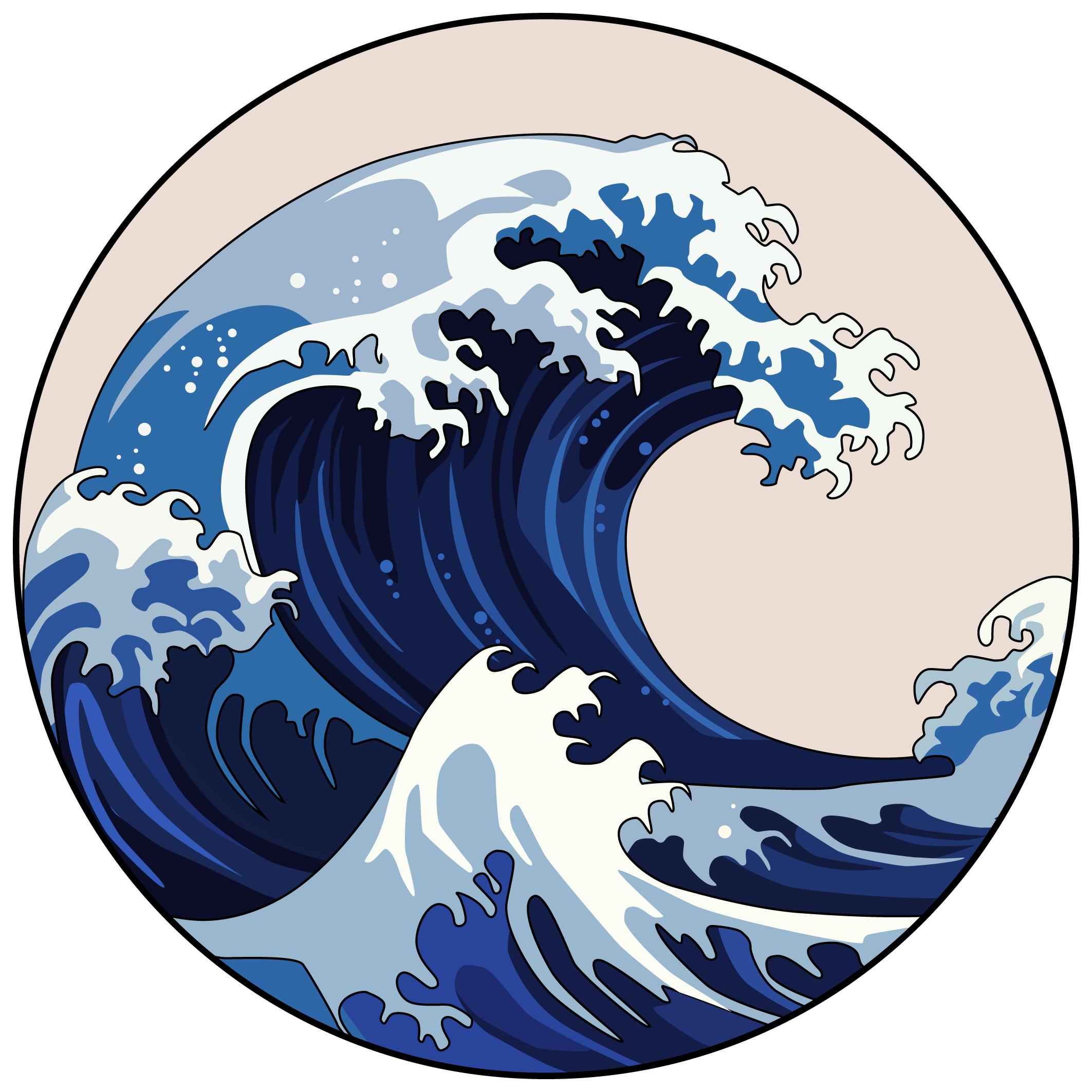
The constant breaking of waves upon our shores takes its toll. After sculpting their own coastlines out of sand and stones, and decorating them with model houses and trees, our marine explorers will unleash the power of waves upon it and witness this erosion for themselves. The tragic sight of their hard work being washed away will surely inspire them to get innovative as they build Lego sea defences to keep the sea at bay in our wave erosion tanks.
ACROSS
THE GALAXY
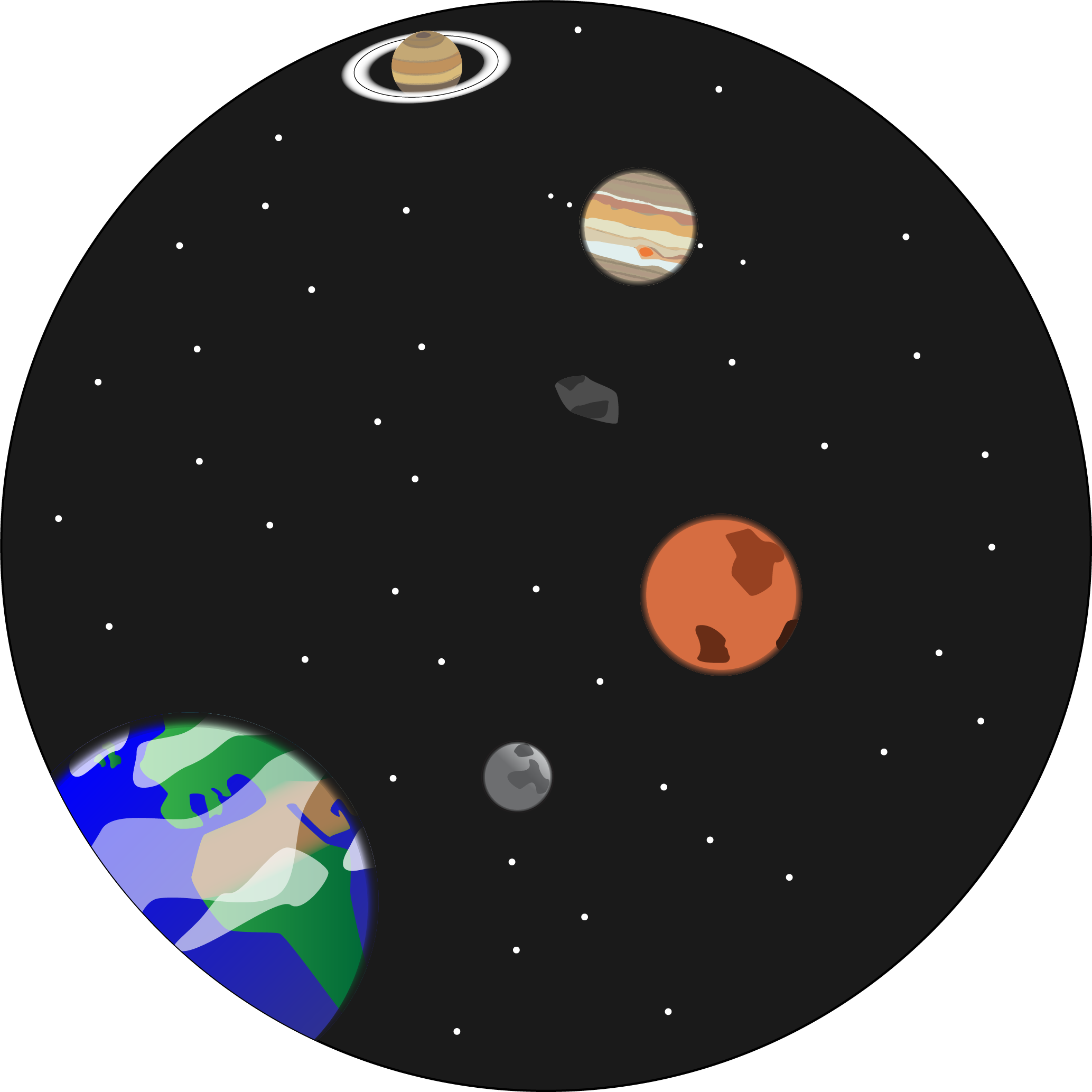
Before we venture out into the galaxy, let’s take a moment to appreciate what makes Earth so special and unique. With an orbit that keeps it firmly in that famed “Goldilocks Zone”, it was once the only place we were sure to find liquid water. Through experiments, our astrophysicists will discover that water is the stuff of life because it dissolves life-enabling chemicals, such as sugars and salt. They will then employ oxygen - another of Earth’s vital gifts to life - to perform a chemical traffic light that changes colour at their will.
PERIODIC
PIONEERS
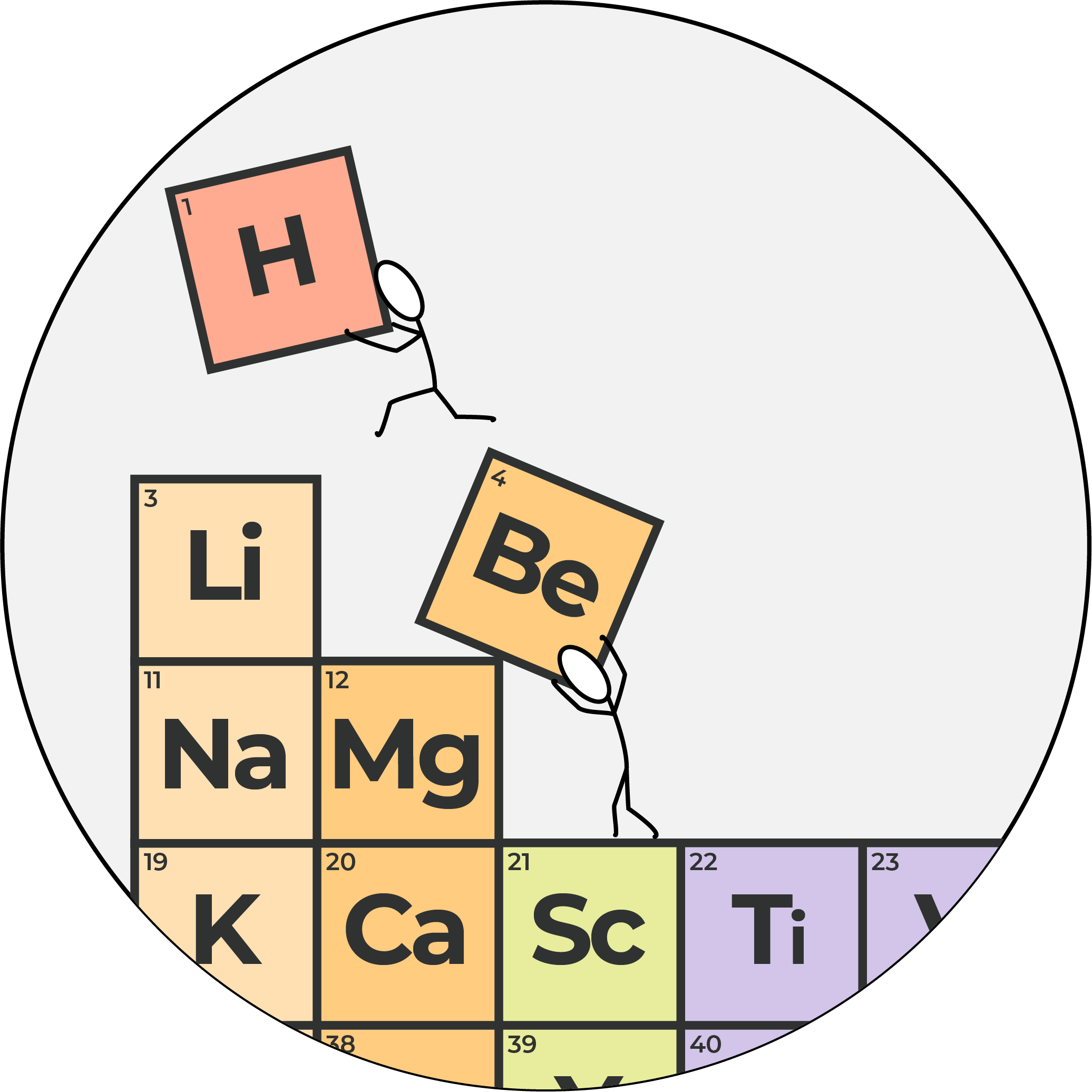
Since hydrogen is the most prevalent element in our Universe, much of chemistry is a battle for its attention! We get hands-on with this battle and use the pH scale to recognise its victors and losers - Acids and Bases. At the extremes of pH, they can be deadly, but in moderation, they are worth having around. With some kitchen science, we will use red cabbage to brew an indicator solution that colourfully sorts household chemicals by their pH. Using colour as our guide, can the children find the right mix to bring our acids and bases back to neutral?