
Registration for our Autumn Term is now open with a exciting offer for our super early birds!
Sign up here using the code TERM20 to get 20% off your booking. There are only 20 discount codes available so grab them before they’re gone.
Summer Camp registration is also open with a early bird discount of 10% until the 22nd of June. Find out more here.

EVERYDAY
MYSTERIES
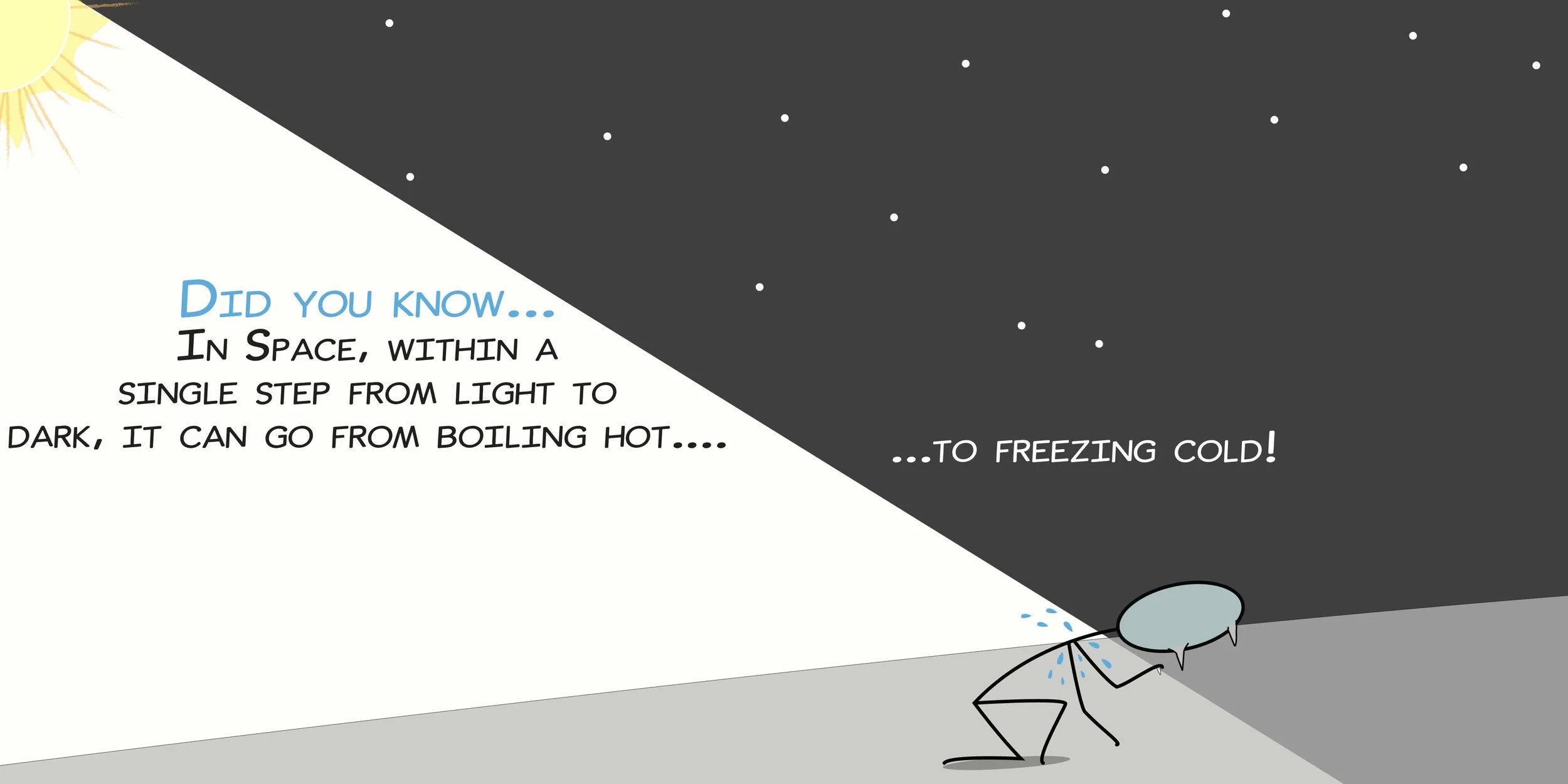
Our lives are full of spinning things, from bicycle wheels to toy tops, but have you ever wondered why a bicycle can balance so effortlessly while moving, yet topples over the moment it stops? This week, we investigate the strange world of angular momentum and gyroscopic stability, where spinning objects seem to resist being pushed around. Through spinning tops, gyroscopes, hoops, and rotating wheels, our investigators will discover that a spinning object behaves very differently from one standing still. Along the way, we will uncover another curious effect of spin: the centrifugal force. After swirling coins and whirling balls, we will harness this fake “force” to defy gravity and stop spinning water-filled containers from spilling their contents.
A FANTASTIC
VOYAGE WITHIN
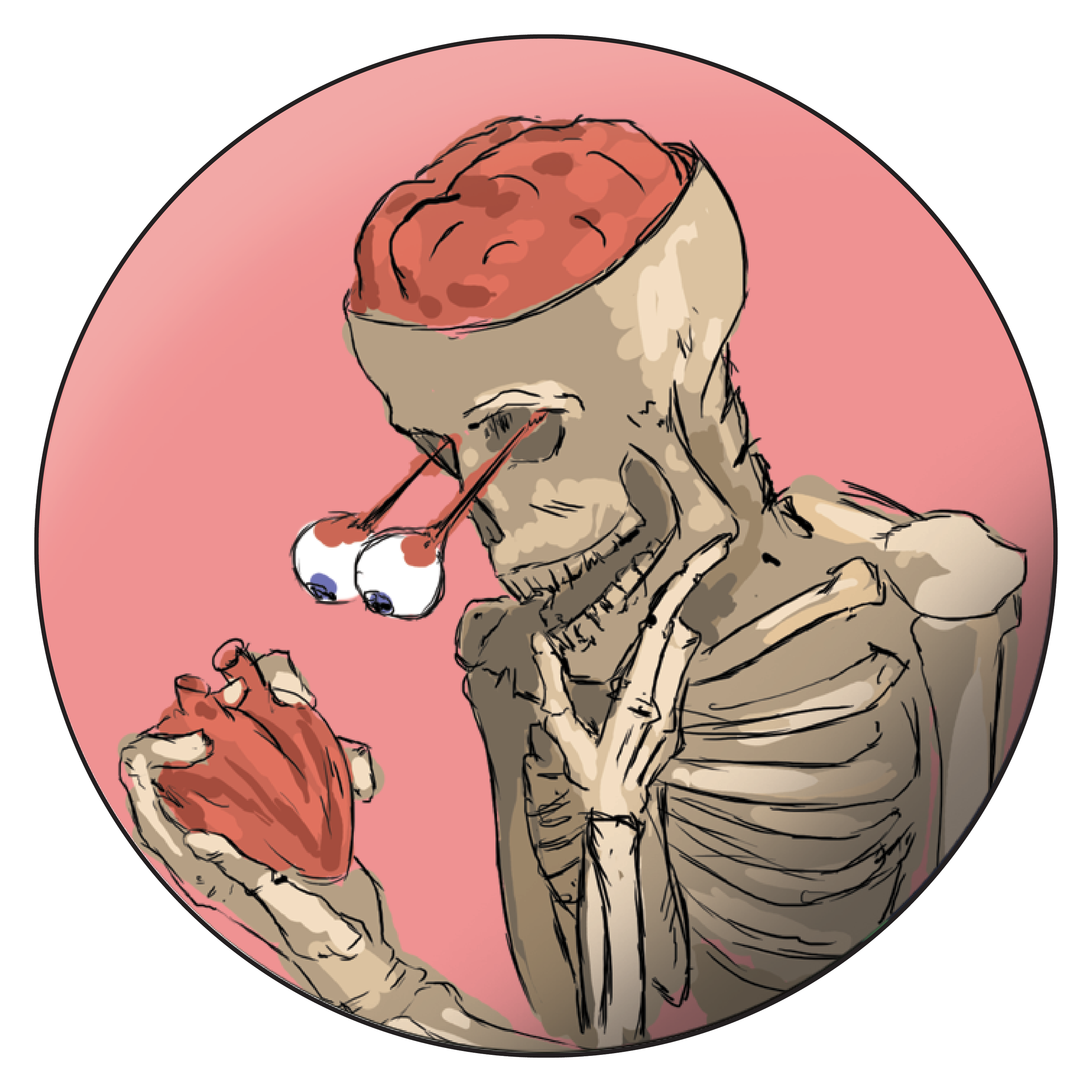
For all the incredible things the human body can do, none shapes our understanding of the world quite like vision. But seeing is far more complicated than simply opening our eyes. This week, we explore how light is captured, focused, and transformed into the images we see every day. Our young explorers will journey through the anatomy of the eye, discovering the structures and processes that enable us to see. Along the way, we will uncover two of light’s most important tricks- reflection and refraction! Using mirrors, lasers, water, and oil, we will bend and redirect light beams. With a homemade pinhole camera, we will reveal how the eye acts as a remarkable living camera, turning light from the outside world into the rich visual experience we call sight.
CHEMISTRY IN
PLAIN SIGHT
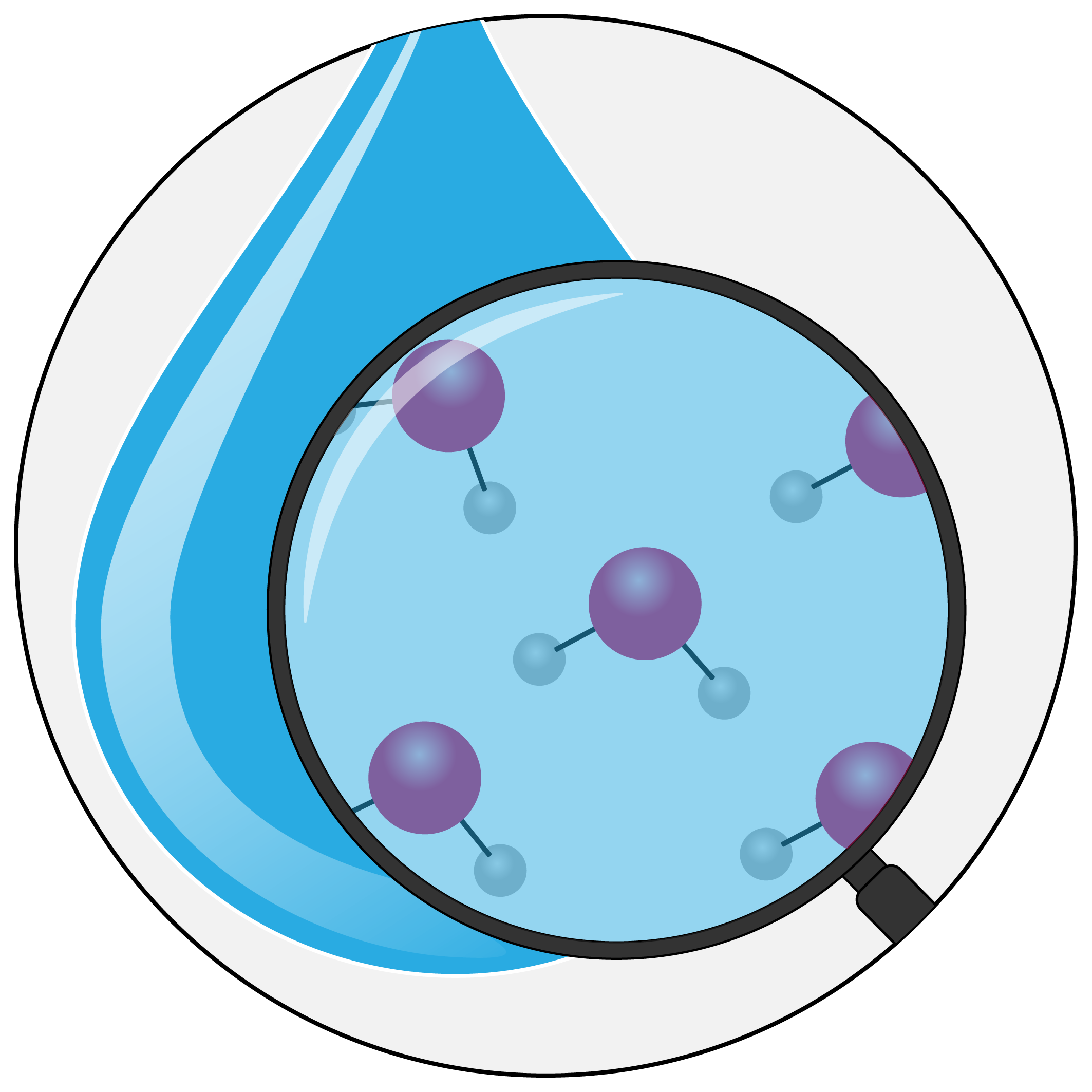
Plastics may be reviled today, but there was a time when they were hailed as a revolutionary chemical. And rightly so! Lightweight, inert and infinitely moldable - they changed our world for the better, even if the toll they are now exacting on our health and the planet may be too high to ignore. This week, we will make a tastier polymer by splitting milk and stringing along its protein monomers in a chemical chain with similar properties to plastics. Then, we will try to solve the plastic problem by recycling plastic pellets into unique creations to take home.