
Welcome to the first newsletter of the term!
Each week, you will find a short write-up on each Module’s lessons so that you can have some great science chats with your future scientists.
You will also find news about important upcoming events to keep you in the loop on what’s going on at the Lab.
We hope you find it fun, informative, and helpful!

COOKING UP SCIENCE
Before we don our chef hats and cook up a storm, it would be good to know what food even is in the first place. Are they calories - those pesky things all the most tempting foods seem to be full of? And what about those so-called nutrients? How do we get more of those? Last week, we broke down foods and discovered the chemicals that make them up. By rolling up our sleeves and getting chemical, we added reagents and watched the colours change to reveal the sugars, starches, proteins and fats that build up our bodies and sustain them.

PLANET EARTH, ANIMATED
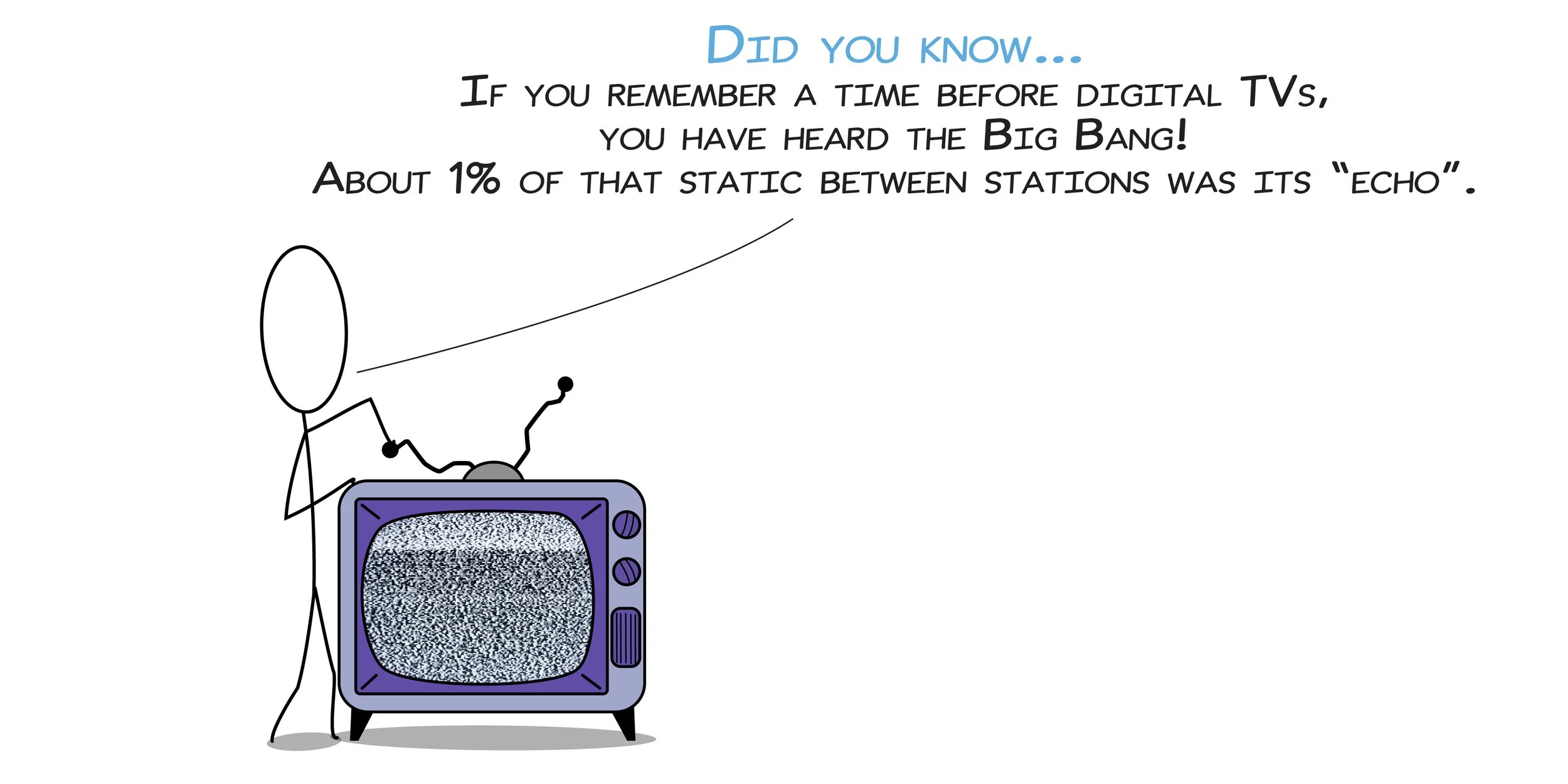
Our time-travelling adventure through Earth’s long history started at the very start - not with the formation of our planet, but with the beginning of the universe as we know it. While our Big Bang was a liquid nitrogen-fuelled explosion of fog rather than the colossal expansion of space that began 13.8 billion years ago, it nevertheless gave us the momentum to explore how gravity spent the next 9 billion years sculpting matter into generation after generation of stars and planets. Then, with the help of our giant trampoline, weights, magnet balls, and marbles, we put in orbit our very own planets around a sun and set in motion our brand new Solar System.
RAMPANT REACTIONS
Chemical reactions can build up chemicals, break them down, and transform them in jaw-dropping ways, so you’d think we would recognise them when we see them. No one will mistake something as mundane as ice melting as a chemical reaction, but what if it’s dry ice? Surely, all those clouds of fog are giveaways of some chemical magic! Or what about the fountains of fizz when Mentos and cola meet? Last week, our chemists investigated whether these glorious reactions made any new chemicals or were they simply physical reactions in cunning disguise?