
We hope you all had a lovely Eid break and are ready for the final stretch of the term. We sure are!
We will also be announcing a few great deals for the summer and beyond shortly. Watch this space so you don’t miss out.

EVERYDAY
MYSTERIES
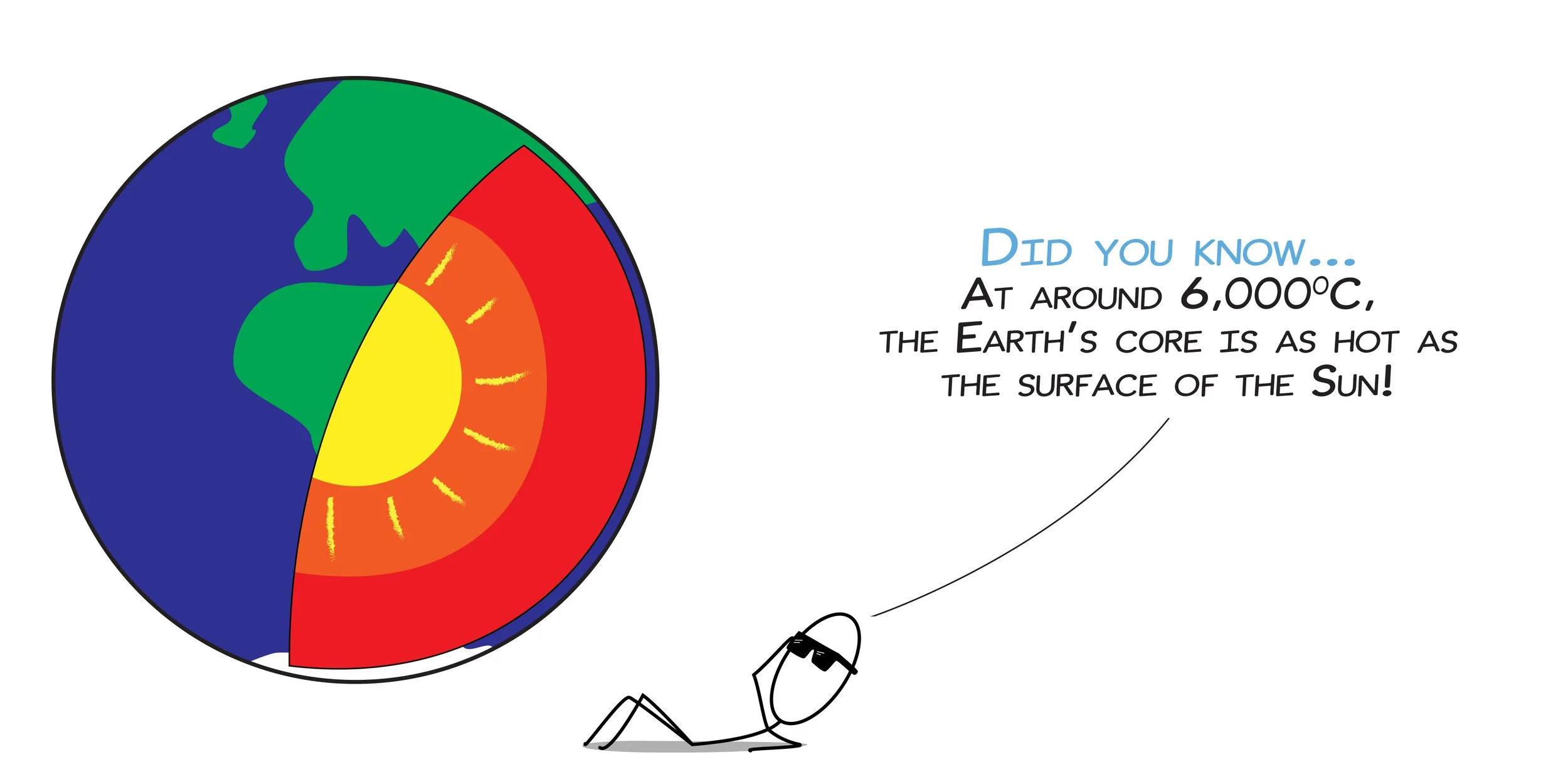
For centuries, migrating birds have accomplished journeys that would challenge even our most advanced technology. Crossing oceans, deserts, and continents, they somehow arrive at exactly the right place year after year. After using compasses to reveal Earth’s invisible magnetic field, we will discover that some birds possess a built-in compass of their own, allowing them to “see” this field and find their way across the globe. But finding the right direction is only half the battle. Flying such great distances requires enormous amounts of energy, which is why many birds travel in their iconic V-formations. By investigating swirling vortices and the aerodynamics of flight, our young scientists will discover how birds turn some of nature’s invisible forces into powerful tools for survival.
A FANTASTIC
VOYAGE WITHIN
Our Fantastic Voyage now turns to two of our most underrated senses: taste and smell. While sight and hearing often steal the spotlight, these chemical detectors in our mouths and noses quietly help us identify food, avoid danger, and make sense of the world around us. By exploring the lock-and-key receptors that enable taste and smell, we will discover how specific molecules trigger electrical signals that race to the brain. Through taste tests and mystery scents, we will learn that flavour is far more than just taste buds. It is a remarkable partnership between the nose, tongue, and brain that helps us experience everything from sweet treats to savoury snacks.
CHEMISTRY IN
PLAIN SIGHT
The kitchen is full of chemistry, and few household chemicals are as useful as bleach. Whether it is whitening clothes, removing stains, or cleaning surfaces, bleach has a remarkable ability to make colours disappear. This week, we investigate how bleach does its work by breaking apart the colourful chemicals responsible for many stains. But chemistry is not just about what happens; it is also about how quickly it happens. By comparing hot and cold reactions, we will discover how temperature affects the speed of chemical change before putting our theories to the test with the ever-popular iodine clock reaction. As colours vanish and reactions race against time, our young chemists will uncover the science behind one of the most common household cleaning products.