
Nothing new to report from the Lab, except for all the exciting learning journeys we have in store for the kids this week! Keep reading to find out what they are…

COOKING UP SCIENCE
Getting water and oil to mix is impossible. Since water is polar and oil is nonpolar, the two most frequently used liquids in our kitchens refuse to play nice. But there are chemicals out there, like soap, that bridge the divide and bring these two closer together to create an emulsion. Now, no one wants their food to taste like soap, so this week, we will test out far more appetising emulsifiers like starch, egg, mustard, and honey. Then, using these, we will whip salad dressings and pasta sauce into stable emulsions full of flavour.

PLANET EARTH, ANIMATED
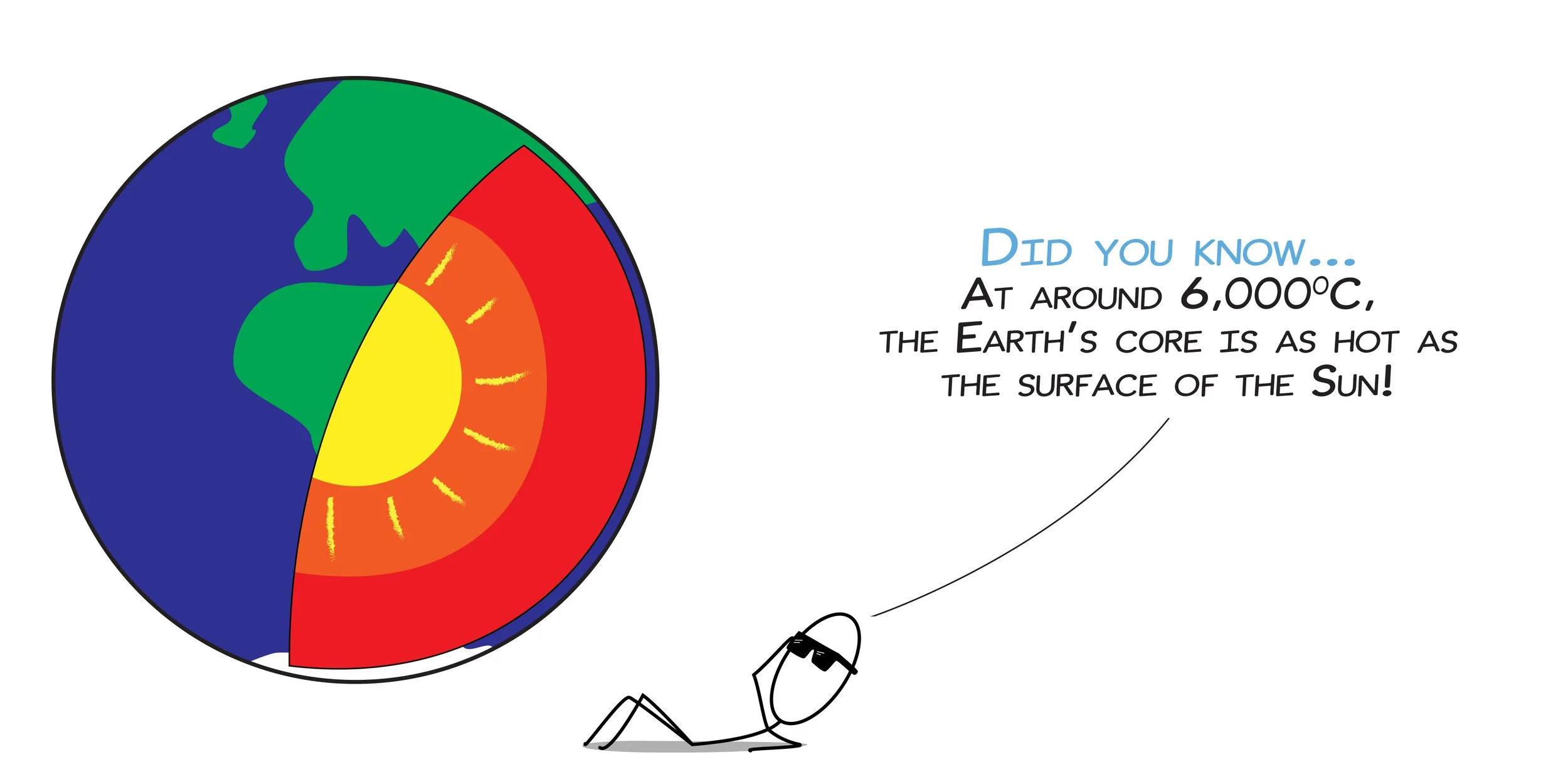
We live on a thin crust of solid rock floating on a vast ocean of magma, heated by the incredibly high temperatures of our iron-rich core. The energy welling up from these depths is what drives the changing surface of our planet. This week, we will discover how fossils showed us that the continents drift on their tectonic plates, and, with the help of chocolate powder, crackers, and icing, how the movement of these plates causes earthquakes and volcanic eruptions, as well as creates mountains and new land. Before we head for the surface, using electricity and iron, we will explore how the planet’s roiling centre gives rise to a lifesaving planetary magnetic field.
RAMPANT REACTIONS
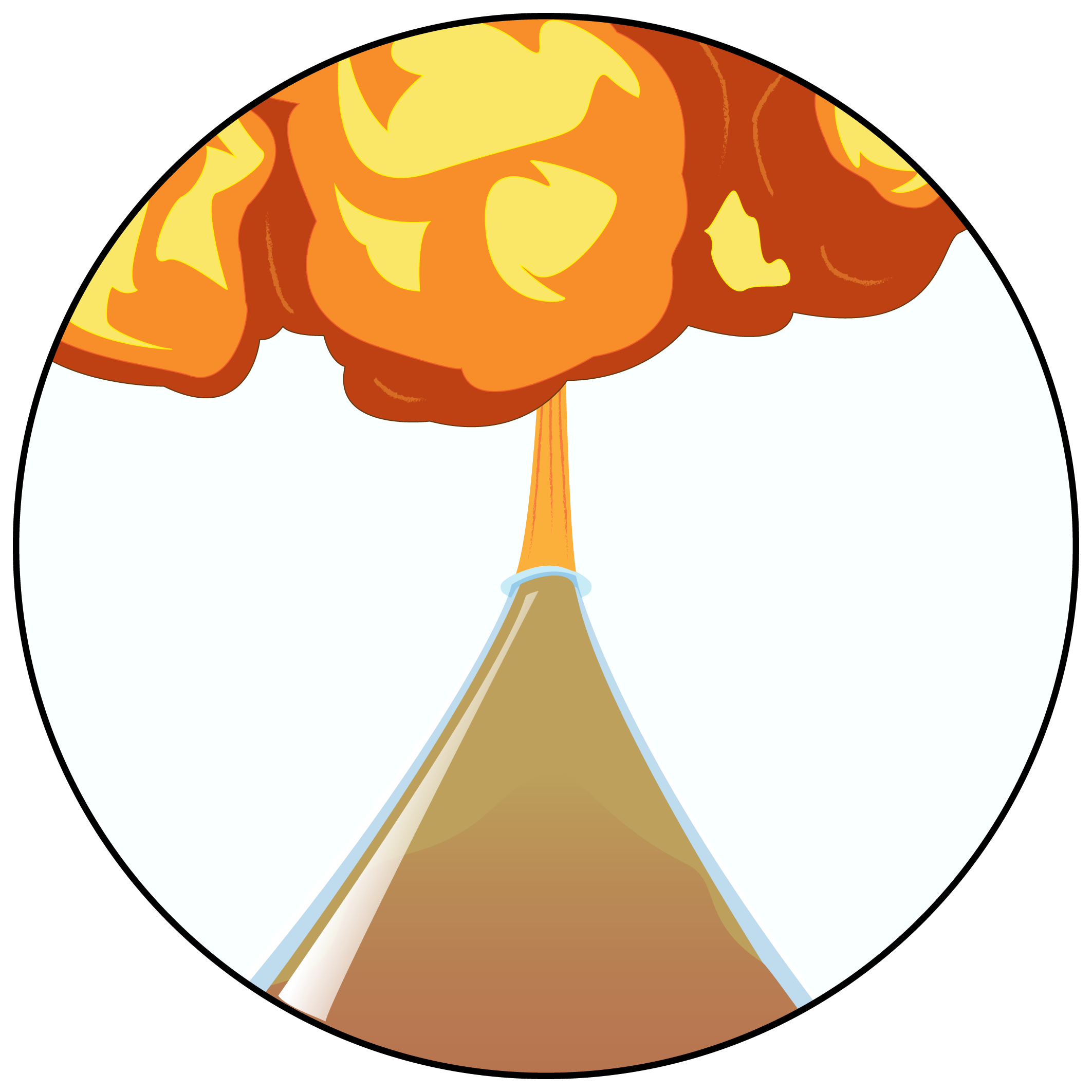
All of chemistry comes down to the humble electron. This subatomic particle - tinier than even the infinitesimal atom - drives chemical change. Some chemicals even go so far as to steal them from others in search of stability, and one chemical has such a bad rap for doing this that we name this subatomic theft after it. Oxidation will set our lab ablaze this week as we get fuels in close contact with oxygen. With a little kick of energy to set things off, we will make iron dazzle with rust, flasks whoosh with fire, and ignite a sprinkle of seeds into dazzling flames.