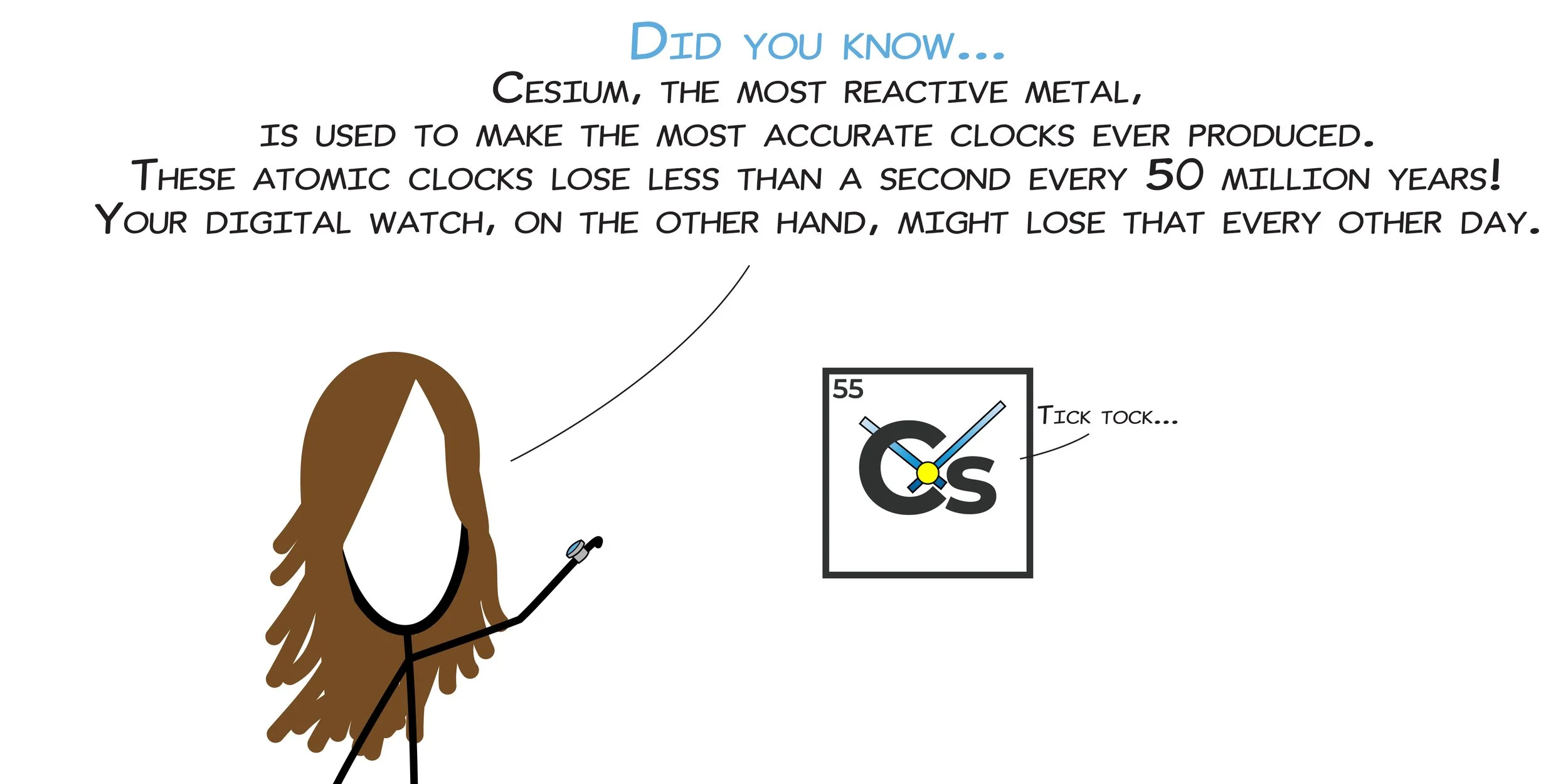

Classes are now in full swing, and we are already off to a flyer with lots of fun learning being had.
We have also opened up registration for our Half-Term Camp with a special offer for you early birds… Sign up here using the code OCT10 and get an additional 10% off the week!
BENEATH
THE WAVES
Rather than waves, it’s the ocean’s currents that move and mix its waters. These flows can traverse the entire planet, driven mainly by the uneven heating of our seas and oceans. Warm water rises to the top, and cold water sinks to take its place, setting up a convection current that transfers and circulates the heat. After using flying, flaming teabags and a fog machine to visualise these currents in air, we will explore how convection moves and mixes water in containers of all shapes and sizes. And with a squirt of food colour and a dash of mica powder, we will vividly reveal their hidden flows.
ACROSS
THE GALAXY
Of all the other planets we will explore, Mars is the only one where a lack of a helmet won’t result in instant death. It will be our first step in becoming an interplanetary species and, as such, will require more than a session to explore. This week, we will focus on Mars’ frigid temperatures and the frozen carbon dioxide that covers its poles. With the help of this dry ice, our chemists will turn the lab into a real-life potions class filled with eerie fog and heaps of bubbles.
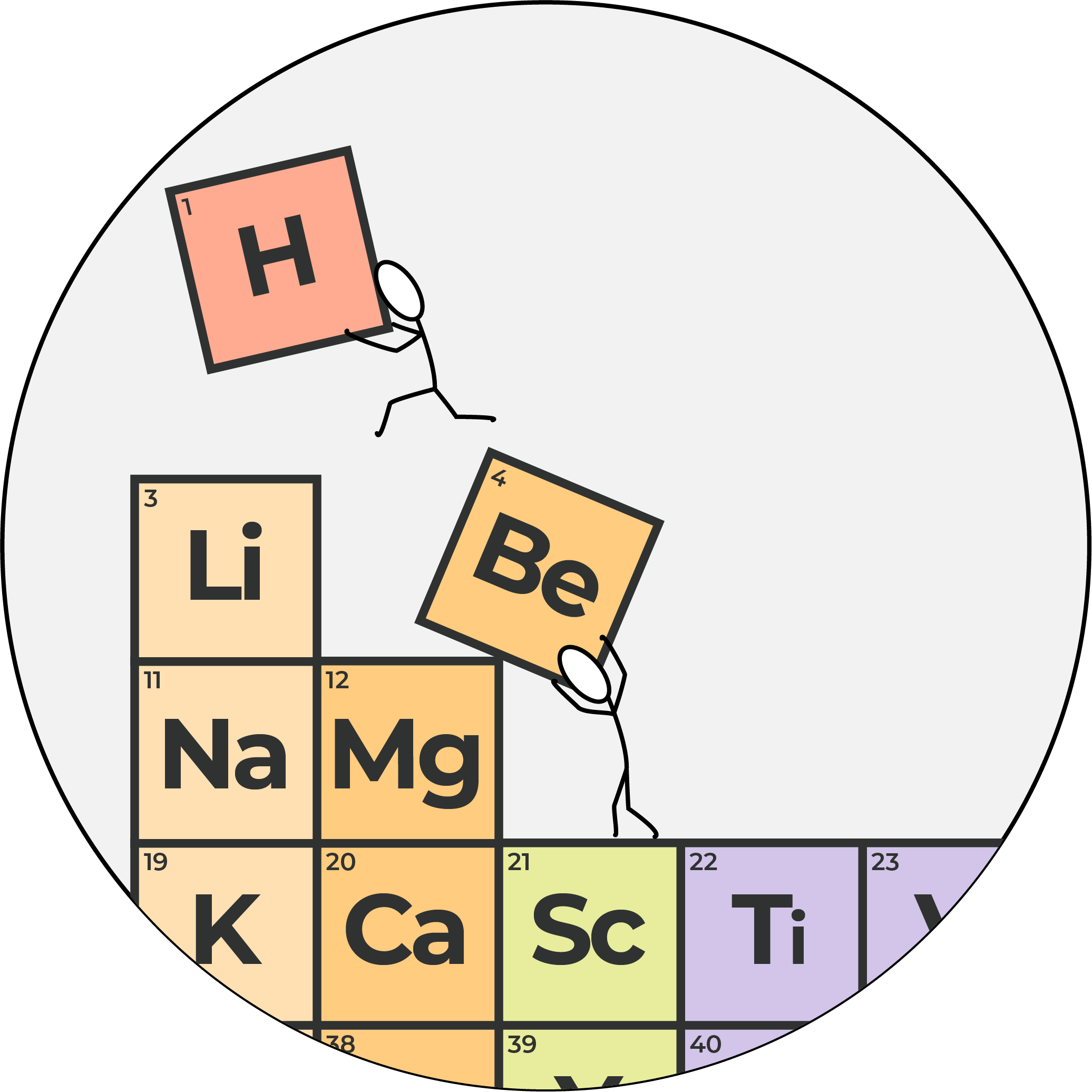
PERIODIC
PIONEERS
Two classes in and still on element 2 of 118 - it’s time to get a move on! Elements with the same number of electrons in their outer “orbit” share properties and belong to the same Group. Take the Group I & II metals, for example. These metals look and behave like no metal we have seen. They are soft, dull and highly reactive; we will see sodium explode in water and magnesium burst into brilliant white flames. They also have a penchant for making bases - like our concocted milk of magnesia that will neutralise vinegar and make a chemical rainbow.